|
|
|
|
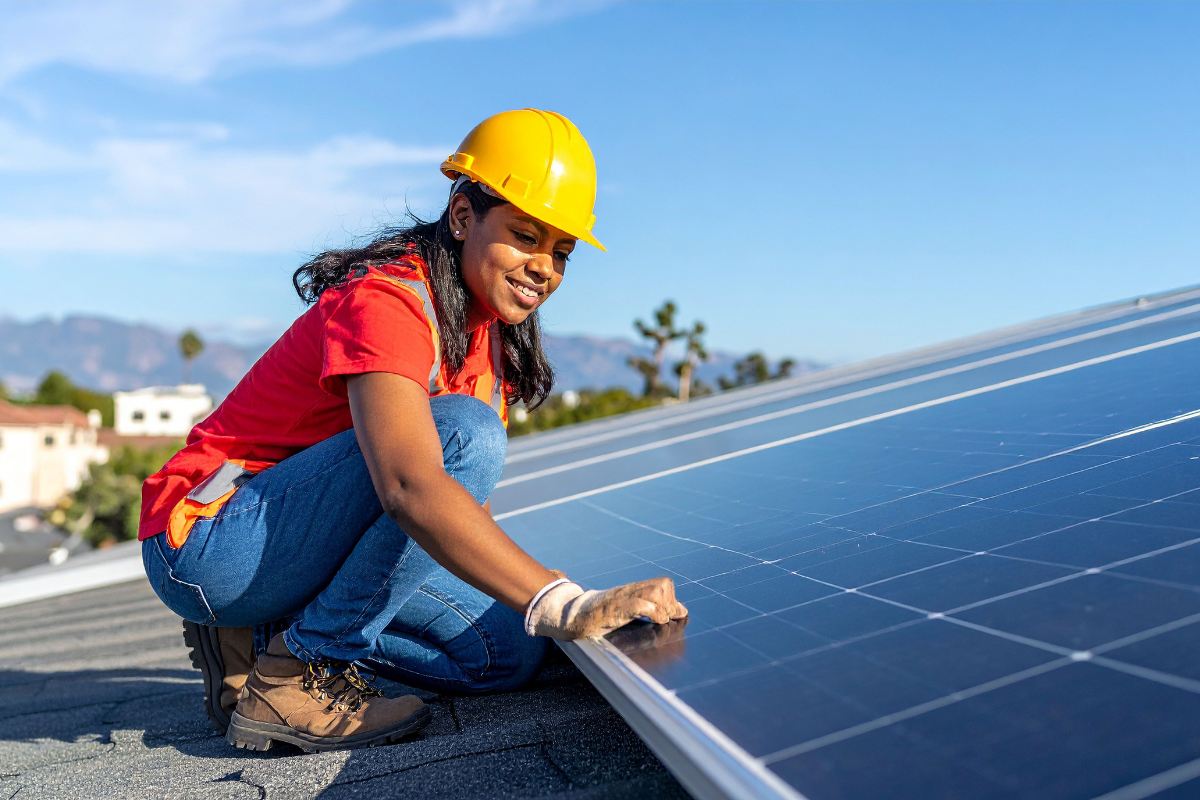
Recent policy changes have added a new sense of urgency to starting your solar project before the imminent loss of the Investment Tax Credit. Learn more in our webinar recaps below.
If you’ve committed to moving forward with your nonprofit solar project and need a financing solution, CollectiveSun is here to help you meet the 12/31/2025 safe harbor deadline.
Reach out now to get started! |
|
|
 |
|
| Contact Us Here to Get Started |
|
|
 |
What You Need to Know About the New (and Old) “Beginning of Construction” Rules for Solar Projects
The “One Big Beautiful Bill” (OB3) and subsequent executive order rapidly phase out solar tax benefits and add new restrictions for nonprofits who want to go solar. Because of the imminent loss of solar tax credits, there’s a new sense of urgency for nonprofits who want to go solar and secure the Investment Tax Credit (ITC).
Your nonprofit can still save with solar — if you start your solar project now.
To safe harbor an exemption from the new Foreign Entity of Concern (FEOC) Material Assistance rules for your solar project, you must begin construction on or before December 31, 2025.
What constitutes “Beginning of Construction”?
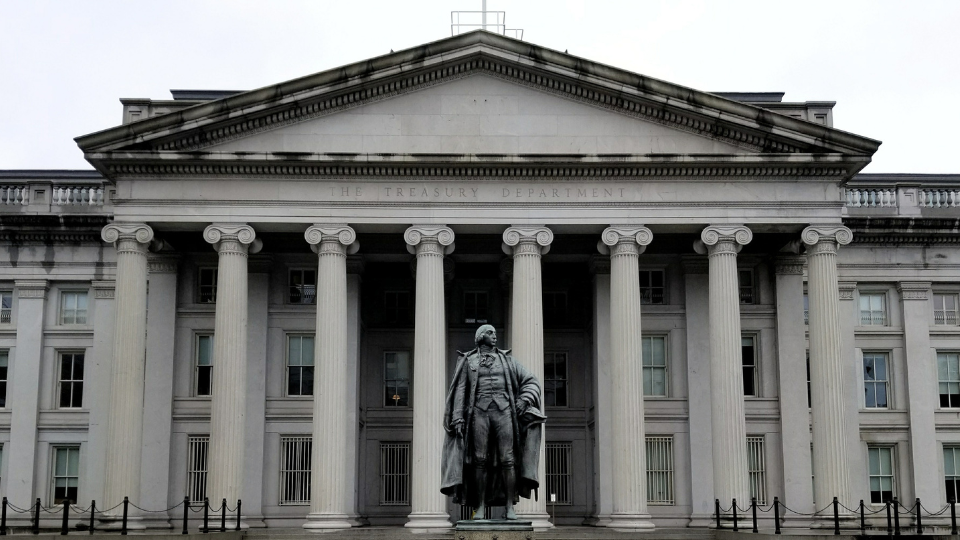
As an industry, we’ve already had 16 years’ worth of historical precedent and guidance defining the two pathways for showing that construction has begun on a solar project. Treasury Notice 2025-42, issued on August 15 and already in effect, makes some changes to that guidance.
|
| Read More |
|
|
 |
What Your Nonprofit Needs to Know About FEOC to Protect the ITC and Direct Pay
The Foreign Entity of Concern (FEOC) provision in OB3 has the potential to eliminate your eligibility for the Investment Tax Credit (ITC) and subsequent Direct Pay tax refund for renewable energy and storage projects. We’ll dive deeper into the information currently available on FEOC rules and their implications for your nonprofit’s project.
Having connections to certain foreign entities listed in OB3 as “National Security Threats” — whether through your organization or through a manufacturer of products used in your solar project — can threaten your ITC eligibility. The “Covered Nations” are the People’s Republic of China (including Hong Kong), the Islamic Republic of Iran, the Russian Federation, and the Democratic People’s Republic of Korea (North Korea).
The FEOC requirements are based on a complex series of tests related to the ownership and control of both the taxpayer claiming the ITC and the entity manufacturing products used in the project.
|
| Read More |
|
|
|
|
Was this newsletter forwarded to you and you’d like to join our mailing list?
Click here! |
|
|
|
|
|
Know A Nonprofit?
If your favorite nonprofit organization is exploring going solar and their mission is to provide programs & services that support communities of concern benefitting:
|
|
|
CollectiveSun is here to help you with your solar financing.
| Interest Rates Start at 4.99% | | Rates Are Based On Community Impact, Not Just Credit Score | | One Simple Payment | Term Length Up To 10 Years | | Payment Holiday Durning Construction of System | No Prepayment Penality |
Our goal is for you to end up with a solar system that reduces your carbon footprint and is a $0 down investment with a positive cash flow from day one, so it has an immediate impact on your bottom line. That’s what we want most for the organizations that are the backbone of our communities — financial and environmental sustainability that allows you to concentrate on your mission and reach your sustainability goals. |
|
|
If you’d like to learn more, schedule a meeting with Nicole here. |
|
|
Navigating the world of solar financing can be daunting, but it doesn’t have to be. Our team of seasoned experts has been focused on delivering solar financing solutions for nonprofit and tax-exempt organizations across the country for over a decade. In just the last few years, we’ve proudly facilitated solar projects for over 200 nonprofits spanning 25 states. |
|
|
 |
At CollectiveSun, we understand that every nonprofit is unique, and that’s why we offer a diverse range of financing options. Whether you’re considering a loan like our CollectiveSun Solar Loan designed to support your purchase of a solar system while allowing you to benefit directly from the Direct Pay Tax Rebate; exploring third-party ownership options like our CollectiveSun Solar Power Agreement (SPA); or seeking a hybrid funding model like our CollectiveSun Prepaid Solar Power Agreement (Prepaid SPA), we have the perfect solution to match your solar financing needs.
For those looking to dive deeper into how Direct Pay can benefit you, we’re excited to offer a free comprehensive course series on HeatSpring. This series covers not only Direct Pay but also the additional ITC bonus adders, providing you with all the information you need for when your filing is due.
📚 Enroll in the free courses here: CollectiveSun HeatSpring Direct Pay & More Course Series
You’ll discover how these incentives can make solar energy even more accessible and cost-effective for your nonprofit organization. Together, let’s harness the power of the sun to fuel your mission and create a brighter, more sustainable future for all.
Let’s connect and start the conversation!
|
|
|
 |
Electricity Costs Rise While Solar Costs Come Down Electricity prices are going up because of an aging grid, natural disasters, and volatile gas prices; rising electricity demand isn’t helping. This trend could present a political problem for the current administration. At the same time, the cost of solar and energy storage has steadily decreased, outpacing most projections. Nonprofit organizations are finding they can save with solar, and schools get the added benefit of providing educational opportunities.
Virtual Power Plants Save the Day — and $$ Virtual power plants (VPPs) — networks of batteries in homes or businesses that function like large power plants when needed — are proving their worth. On July 29, more than 100,000 California homes sent power to the grid, reducing the need to burn fossil fuels. Another planned VPP in the state could save ratepayers $206 million between 2025 and 2028. VPPs also help homes and businesses afford energy storage and enjoy its resilience benefits.
Solar Faces Challenges but Still Dominates New Installations
In the first five months of this year, renewables made up 91% of the 15 GW of electricity generation added in the U.S., led by 11.5 GW of solar. Of the 64 GW to be added this year, solar is expected to account for over half. However, challenges remain. Recent federal actions could cause the U.S. to lose 55 GW of solar by 2030, a 21% decline. The phaseout of the solar tax credit is tightening project deadlines, creating a new sense of urgency to go solar now. |
| Need to Unsubscribe? |
|
|
|
|
|
|
|
CollectiveSun helps make solar for nonprofits a reality! Our innovative approach helps these organizations secure affordable financing and streamline project implementation. |
CollectiveSun, LLC
3295 Meade Ave, San Diego, CA 92116
888 980 2786 (CSUN) |
|
|
|
|
|
|