
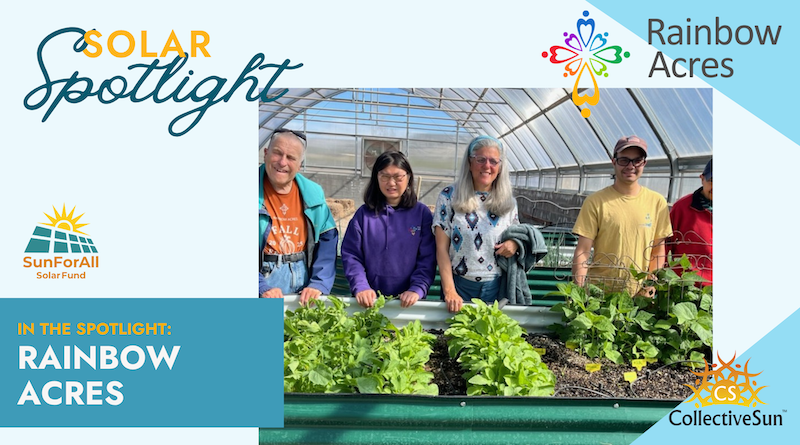
Founded in 1974, Rainbow Acres in Camp Verde, Arizona, is a caring community that empowers persons with developmental disabilities to live to their fullest potential with dignity and purpose. The organization provides housing, life-enriching programs, and loving, holistic care in a safe, vibrant, inclusive ranch-style community.
Now, Rainbow Acres is powered by solar energy, financed in partnership with CollectiveSun. Paul Higgins, President & CEO, told us about the project and the organization’s programs. It was truly inspiring to hear what this organization is doing for their developmentally disabled community.
This loan was made possible by the generous participation of the BQuest Foundation.
All images are courtesy of Obodo Energy.
Please tell us about your mission, including the programs and services you provide
Rainbow Acres offers a private-pay assisted living community with various programs for developmentally disabled adults. Our 80 residents live, work, and socialize with their peers on the ranch. They are also important members of the local community, where many of them work, volunteer, take classes, and participate in activities.
In the U.S., much of the funding for this population has shifted to home and community-based services with a smaller number of people in a house. But settings like ours work better for some people, who prefer to live in a larger community of folks who are like them.
We help our residents with whatever their goals are. If they want to work in the community, which about a third of our residents do, we coach them in job skills, help them determine what they’re suited for and interested in, try to get them into those jobs, and help them retain the jobs. About a third of the residents have some kind of employment here on the ranch, in many cases to prepare them for outside employment.
We offer a variety of classes throughout the day — some are vocational, some are focused on life skills, and some are more like electives, such as art classes. We also have animal programs, a greenhouse, and an orchard.
Who benefits from your programs and services?
We serve a great group of people with intellectual or developmental disabilities; they love being here, and it’s a joy to be able to serve them and provide them a home that is safe, encouraging, and supportive, helping them discern and live out their individual goals. We try to be an active community, not just a holding place.
We have people from their 20s up to the age of 80, including one resident who’s been with us since we started in 1974.
Tell us about your solar project
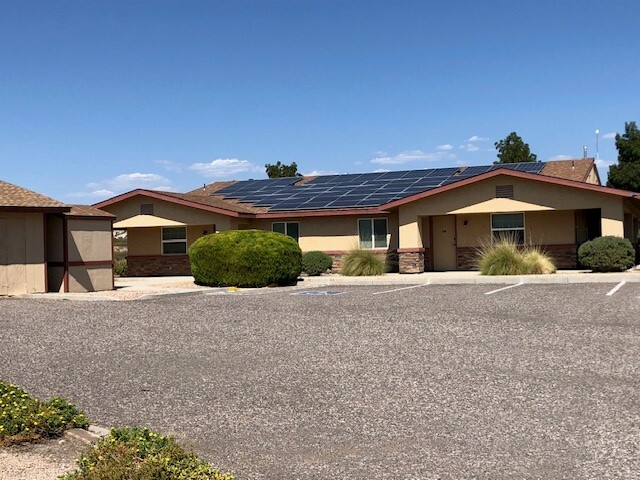
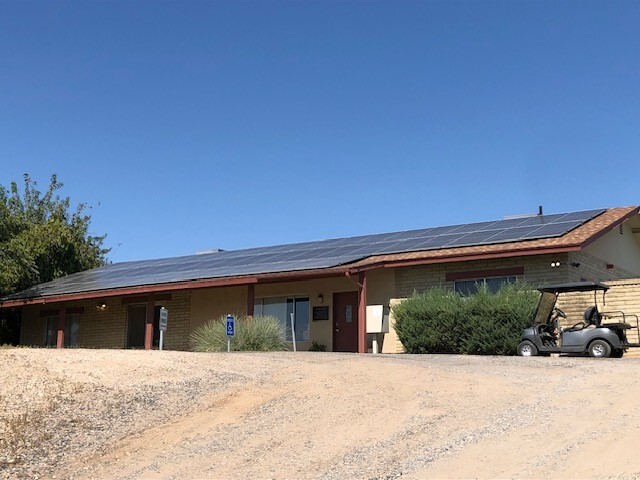
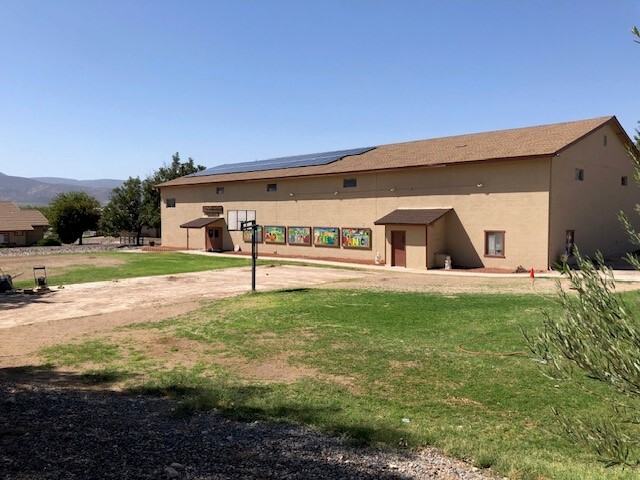
On our 50-acre campus we have 12 houses to house our residents, one of which is currently a health and wellness facility; two small apartment buildings for residents who can be a bit more independent; some educational space; a large community center where we gather for activities and lunch; and an administrative building.
We now have solar on both apartment buildings, the administrative building, and a number of the houses. The total, 488.60 kilowatts, is expected to cover about 90% of our electricity needs.
What sparked your organization’s interest in solar energy?
Arizona has a lot of sun, so when I moved here 15 years ago I thought it was a no-brainer for Rainbow Acres to get solar. But it proved to be a challenge. Because Rainbow Acres developed progressively over time with electric meters installed as buildings were built, we have quite a few separate meters even though we’re on one campus. In Arizona, you have to feed electricity you generate back to the grid at the individual meter level. We had a great spot for solar on a hill in the 20 or so acres we’re not using, but we couldn’t install it there.
So we dropped the project for a while. Eventually, one of our senior leaders made a connection with Obodo Energy, who became our installer. Our board appreciated the fact that solar would help us lock in the price of electricity over a long period of time. While we’re glad to have the environmental benefits of our system, it had to make sense financially.
Do you have other sustainability initiatives?
Before our board had approved the solar installation, we were already electrifying our campus. We were able to get a grant that helped us replace all the heating and cooling with heat pumps. As appliances like ovens, dryers, and water heaters needed to be replaced, we replaced them with electric ones. We knew that would mean that when we finally went solar, we’d get more benefit from the solar.
We also try to be sustainable in other ways. We employ residents on the ranch to sort recycling. Our horses generate great fertilizer for our agricultural program, and we grow some of our own food.
How will you use the savings generated by going solar to further support your mission?
One of our key struggles is that we don’t get government funding. Our residents get Social Security, which helps pay their monthly fee, but two-thirds of our residents are on some form of financial aid from either us or individual donors.
Being able to reduce or maintain our fixed costs, like electricity, means more of the money our residents’ families are paying can go to programmatic activities. We can help keep costs down and help keep Rainbow Acres more affordable. And it’s critical for us to ensure we can be here for the residents for the long term, reassuring their families that we’ll be here to take care of their loved ones.
Why did you choose to work with CollectiveSun, and how was the experience?
I had heard about CollectiveSun years ago, so I knew that when we were ready to consider solar, we’d have a way to fund it.
CollectiveSun was vital to this project happening. Working with CollectiveSun was so easy, simple, and friendly. The information requested was appropriate and not burdensome.
How would someone get in touch with your organization to learn more about your services?
The best place to start is by visiting our website at https://rainbowacres.org.
